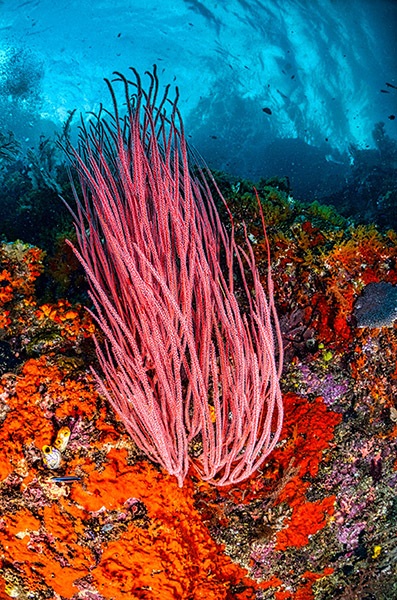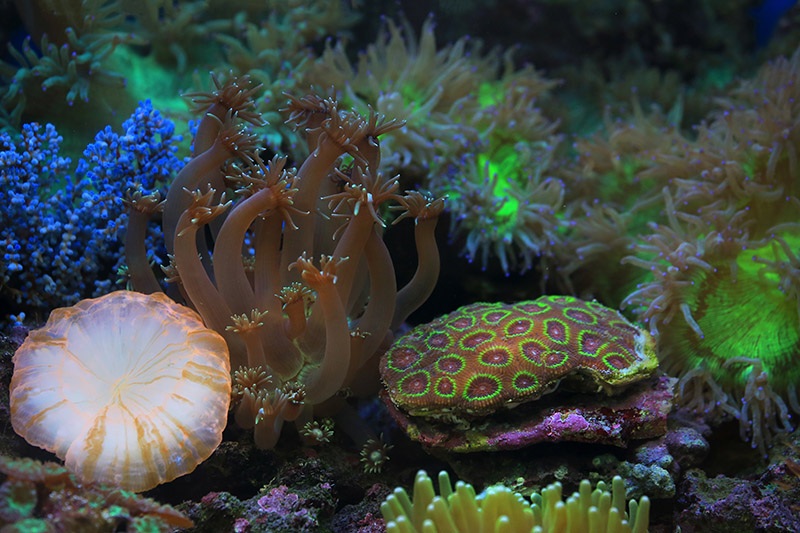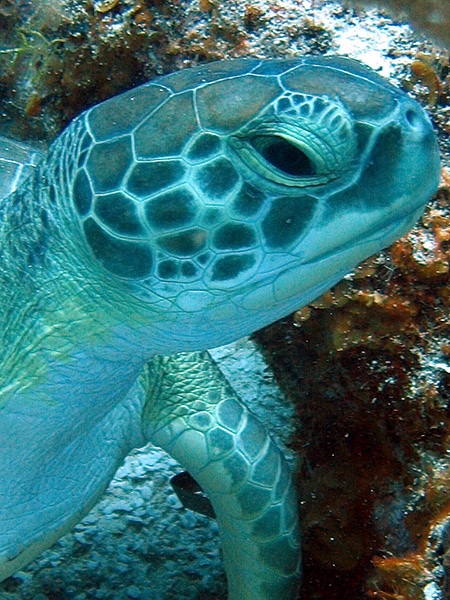
Dive into the vibrant underwater world of Key West, Florida, where reef diving offers an unforgettable adventure for ocean lovers. Just a short boat ride from shore, the coral reefs burst with color and life—schools of tropical fish, graceful sea turtles, and even the occasional nurse shark glide through crystal-clear waters. With dive shops and guided tours aplenty, exploring the only living coral barrier reef in the continental U.S. is as easy as slipping on a mask and fins.
Let's have some fun!

Nestled in one of the oldest regions on Florida’s southern coast, this spot gives me access to a wide range of incredible dive sites from several surrounding areas. I’m lucky to be based in a location that offers such variety, and I always choose sites with the day’s weather in mind—so I usually can’t say ahead of time exactly where i'll be. That said, I’m happy to take folks our with me as I always try to mix things up during an outing.
Reef diving here is all about exploring vibrant tropical shallows—there are more than 20 reefs in the area, each with its own character and charm. One of the best parts of being local is how easy it is to get out there. I’m lucky to be based in one of the most accessible spots in South Florida, with most dive sites just a quick 10 to 15-minute ride away. That means more time in the water and less time getting there, soaking up the full beauty of these incredible reefs.
It’s not just about the stunning reefs here—though. The underwater ecosystem is thriving, with towering sea creatures and massive finger corals that make every dive feel like swimming through a living sculpture garden. The fringing reef is teeming with life: invertebrates, crustaceans, pelagic wanderers, and colorful reef fish all call it home. So during the summer months, I am often treated to playful pods of dolphins cruising through the area. When they show up, I pause to enjoy the moment. As it’s one of those experiences that stays with you long after you’ve dried off.
Lastly, a lot of folks think reef diving means heading into deep water, but that’s not how it works around here. Most of the sites I visit are shallow—typically between 5 and 20 feet—which means we get loads of bottom time to really explore and soak in the details. It’s relaxed, colorful, and perfect for taking your time with the reef life.
Explore the magic beneath the waves—see what treasures we've uncovered on the reefs!"
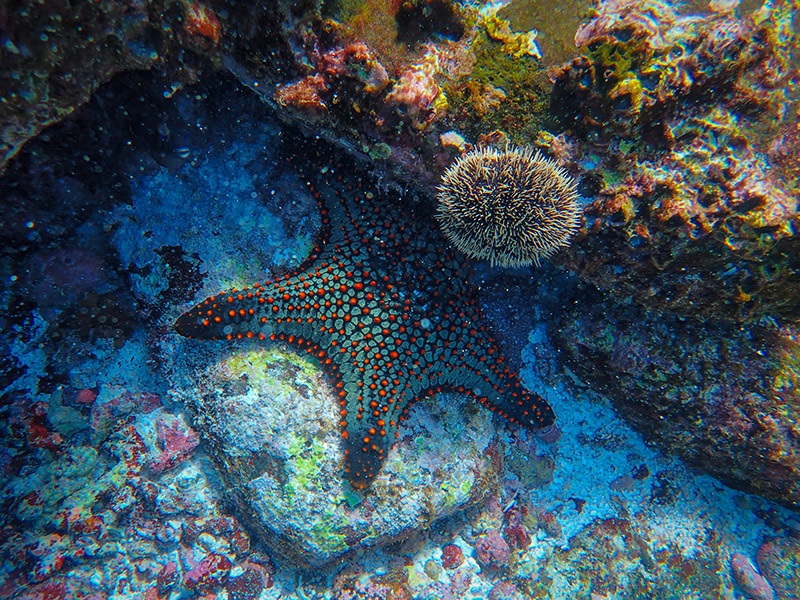
You probably know sea stars as starfish, which is what they are commonly known by. But sea stars aren’t really fish. Sea stars, like sea urchins and sand dollars, do not have backbones, which makes them part of a group called invertebrates. Fish have backbones, which makes them vertebrates.
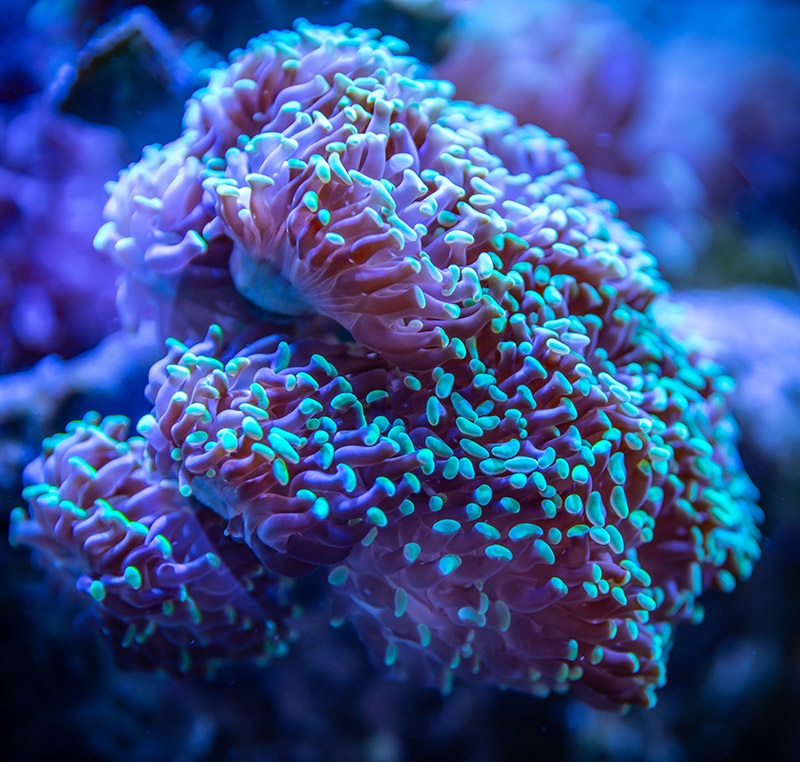
Sea anemones are named after and resemble flowers, but they’re actually invertebrates related to corals and jellies. Their bodies consist of a soft, cylindrical stalk topped by an oral disc surrounded with venomous tentacles.
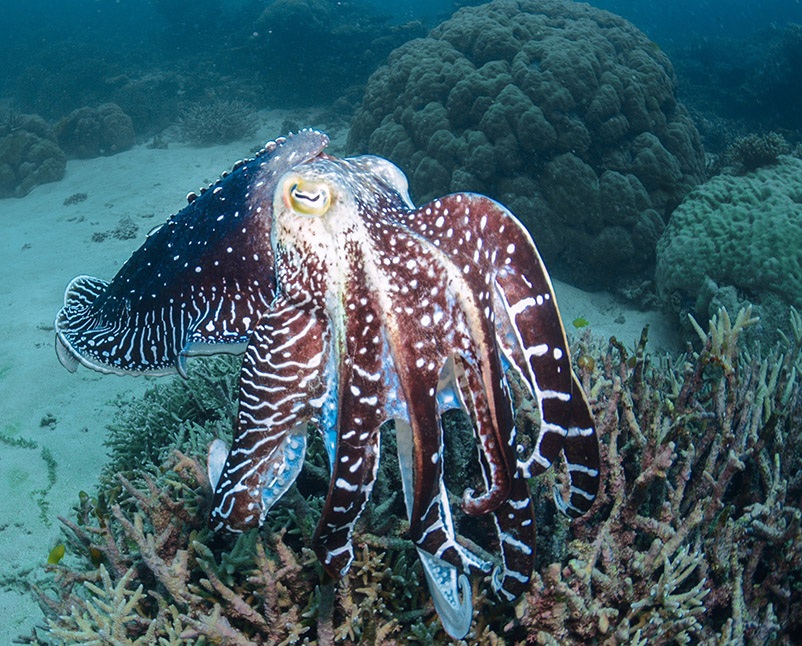
Octopuses are sea animals famous for their rounded bodies, bulging eyes, and eight long arms. They live in all the world’s oceans but are especially abundant in warm, tropical waters. Octopuses, like their cousin, the squid, are often considered “monsters of the deep,” though some species, or types, occupy relatively shallow waters.
The Corallinaceae are one of the two extant Coralline families of red algae; they are differentiated from the morphologically similar Sporolithaceae by their formation of grouped sporangial chambers, clustered into sori.
I am planning some epic underwater adventures and would love for you to join me! Choose from five breathtaking spots—Cottrell Key, Sand Key Lighthouse, Higgs Beach, Fort Zachary Taylor, or the legendary Dry Tortugas—based on your snorkeling skills and vibe. Whether you're just starting out or a seasoned reef explorer, there's a perfect spot waiting for you. Early birds and late risers alike—we’ve got flexible times so everyone gets a chance to experience the magic beneath the surface.
Let us know if you're in—we can't wait to explore together!